Services
Psychoeducational Evaluation
A psychoeducational assessment includes an evaluation
of cognitive abilities, learning potential, academic achievement, and social-emotional functioning. Psychoeducational evaluations can be useful in the following situations:
Academic underachievement, Determination of eligibility for Special Education services, Attentional Deficits, with consideration of an ADHD diagnosis, Learning difficulties with
determination of a specific learning disorder, and Social, emotional, or behavioral difficulties.
Remedial Education
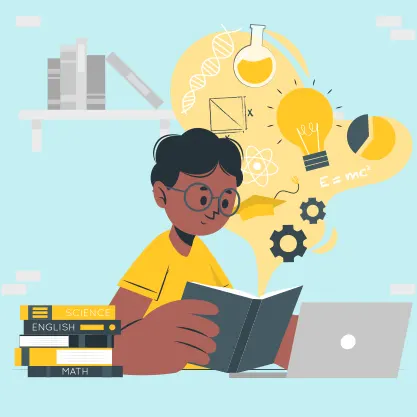
Remedial Education is basic catch-up education. It helps bridge
the gap between the child’s current skills and the expected skills based on his/her age/grade. It provides academic support to students who are lagging behind in key academic skills. Remedial learning usually focuses on basic literacy (reading and writing) and numeracy skills. Remedial education also focuses on developing good study skills, which are vital for school success.
Occupational Therapy
Occupational Therapy is a profession that helps people across
their lifespan to do things they want and need to do in their everyday life through the therapeutic use of daily activities (occupations). Occupations are practical and purposeful activities that allow people to live independently and have a sense of identity.
These activities could be essential day-to-day tasks such as self care, work and leisure. Occupational therapists enable people of all ages to live to its fullest by helping them promote health, and prevent or live better with injury, illness or different abilities.
Occupational therapy is an evidence based practice deeply rooted in science.
OT interventions commonly include helping children with different abilities to participate fully in school and social situations, helping people recovering from injury to regain skills,
and providing support for older adults experiencing physical and cognitive changes .
Occupational Therapists have a whole-person approach to both mental and physical health, and well-being of a person to optimise function and enable individuals to achieve their full potential.
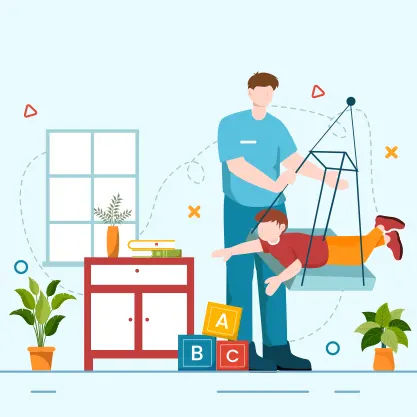
Pediatric Occupational Therapy helps children gain independence while also strengthening the development of fine motor skills, sensory skills and perceptual skills.
Occupational therapists will help a child’s role of a playmate, student, friend and perform occupations like play and socialize with others. An OT will evaluate a child’s current skills related to play, school performance and daily activities and compare them with what is developmentally appropriate for that age group. OTs help children perform daily activities they may find challenging by addressing sensory, social, behavioral, motor and
environmental issues.
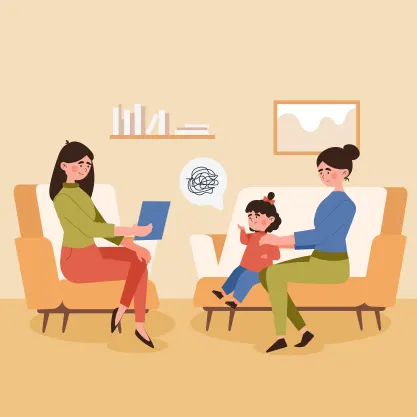
counselling /therapy
Therapy is a form of medical treatment following a form of medical diagnoses.
Quite often therapy is used with medicines in order to treat a mental health disorder.
Therapy helps in alleviating symptoms of anxiety, depression, phobias, etc and many other mental health disorders in the long run. Therapy is provided by a professional licensed therapist who has undergone an extensive training in the area provided for therapy.
The different types of therapies include: Cognitive Behavioral Therapy (CBT), Rational Emotive Therapy (RET), ERP, Person Centered Therapy, Behaviour Therapy, etc.
Ultimately therapy helps with reducing prolonged stress, makes one an effective communicator and also helps in mending intra/interpersonal relationships.
Psychiatric Consultation
A psychiatric consultation is intended to establish a deeper understanding by both the physician and the patient as to what the patient’s condition is and the type of treatment plan that is required to meet the agreed upon mental health goals as set forth by the information gathered during the doctor and patient consultation.
Psychiatric treatment plans are meant to improve the patient’s quality of life through better social interactions, fewer emotional lows, and elevated physical health. Coping strategies, medications, and an open dialog between the Psychiatrist and the patient are the most common treatment procedures used in
the pursuit of these mutual goals.
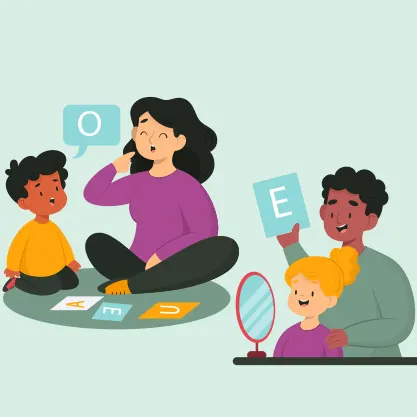
speech therapy
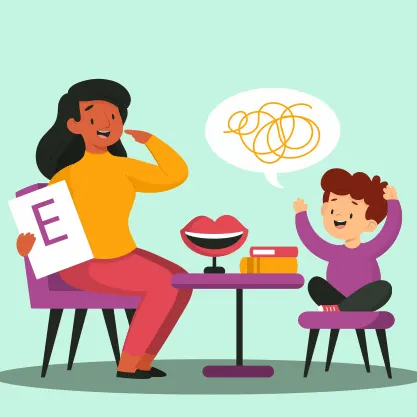
Speech therapy is treatment that improves your ability to talk and use other language skills. It helps you express your thoughts and understand what other people are saying to you. It can also improve skills like your memory and ability to solve problems. Speech therapy can help you improve your:
Early language skills (especially children learning to talk and communicate).
Ability to use your voice.
Language comprehension (how well you understand words and language).
Fluency (how well and how comfortably you can use language).
Clarity and expression (how easily you can communicate what you want to).